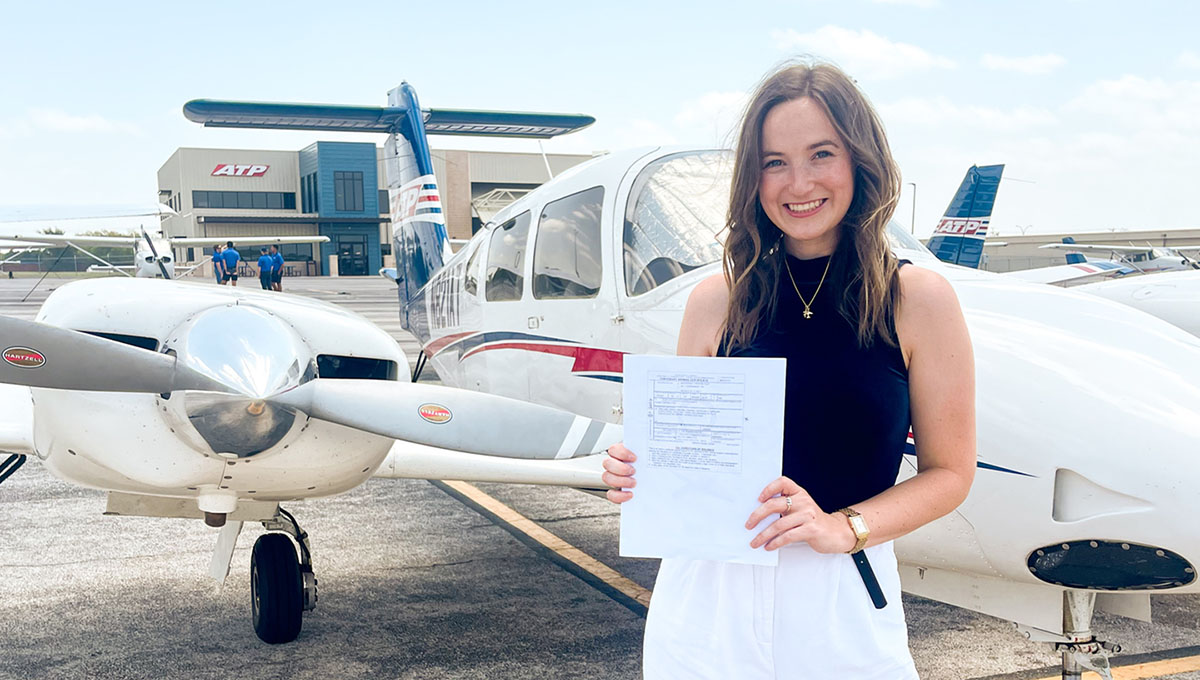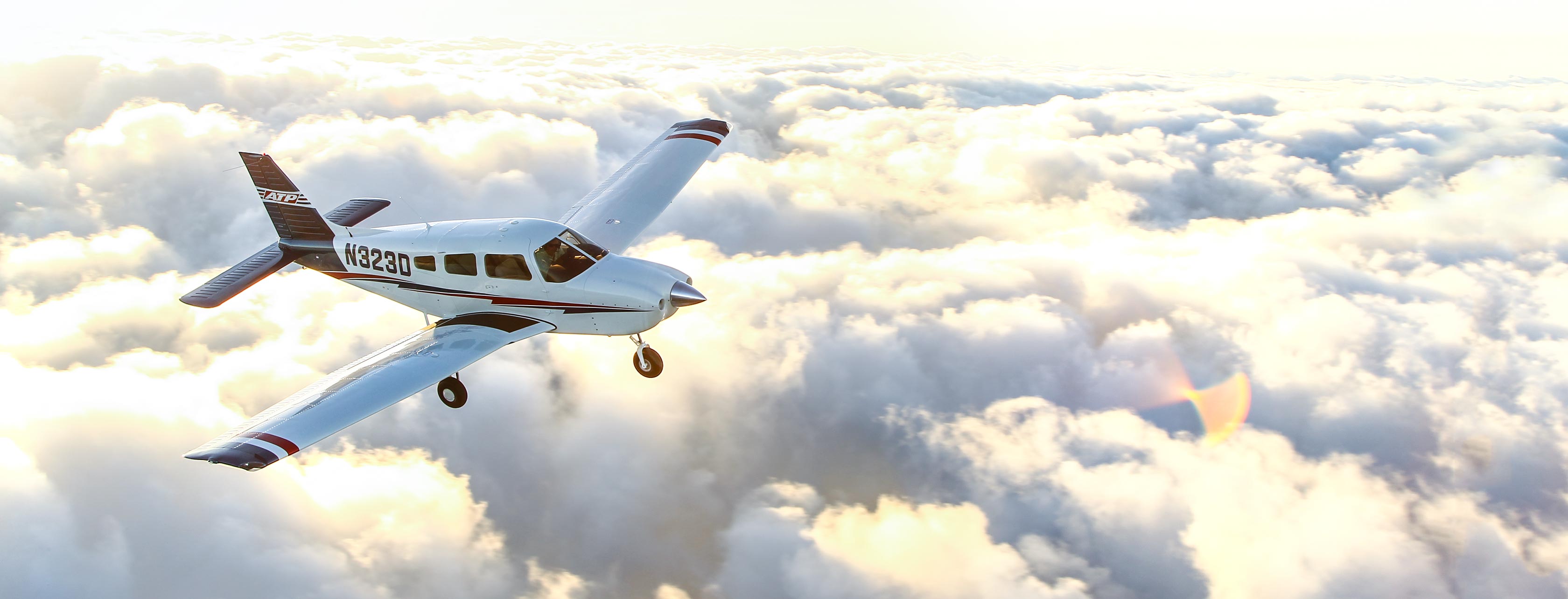
How to Become a Pilot - Learning to fly in the Piper Archer

How to Become a Pilot: Step-By-Step FAA Guide for 2026

How to Become a Pilot – Quick Answer

To become a pilot in the United States, you must meet FAA eligibility requirements, complete flight training with a certified flight school or flight instructor, and pass FAA knowledge and practical tests. Many pilots start by earning a Private Pilot Certificate, then progress to Commercial Pilot training and additional ratings based on their goals.

Pilot Certification Definitions

  • Private Pilot: Fly for personal use; you generally cannot be paid to fly.
  • Commercial Pilot: Eligible to be compensated for flying under FAA rules.
  • Airline Transport Pilot (ATP): Highest FAA pilot certificate; required for airline captains and most airline operations.

Frequently Asked Questions About Becoming a Pilot

How long does it take to become a pilot?

Training time depends on your schedule and training frequency. Accelerated programs can take about 9–12 months for a professional track, while part-time training can take longer.

How much does it cost to become a pilot?

Total cost varies by program, pace, and location. Professional training commonly ranges from tens of thousands to over $100,000 when progressing from private through commercial and instructor certificates.

Do you need a college degree to become a pilot?

A college degree is not required to earn FAA pilot certificates, though some airlines may prefer or require a degree depending on the career pathway.

What can prevent someone from becoming a pilot?

Common blockers include inability to obtain the required FAA medical certificate, not meeting FAA eligibility requirements, or not meeting training and testing standards.

Steps to Become a Pilot (FAA Process)

The FAA pilot certification process follows a defined sequence. The steps below outline the standard path from your first lesson to earning a certificate.

  1. Step 1

    Research Pilot Schools and Training Options

    Compare flight schools and training programs based on your goals (recreational vs. professional), schedule, location, aircraft availability, instructor access, and training pace. A consistent training schedule is one of the biggest factors in finishing efficiently.

    FREE Flight School Guide »

  2. Step 2

    Take an Introductory Flight (Discovery Flight)

    An Introductory Flight lets you experience a lesson from the pilot’s seat and evaluate instruction, aircraft, and the training environment before committing.

    No obligation or experience required • Free cancellation

    Book Your Flight Online Today! »

  3. Step 3

    Apply for an FAA Medical Certificate

    Pilots must meet FAA medical requirements. If you plan to fly professionally, it’s common to start with a First Class medical certificate through an Aviation Medical Examiner (AME) to confirm eligibility early.

  4. Step 4

    Apply for an FAA Student Pilot Certificate (IACRA)

    Apply for a student pilot certificate through IACRA (your instructor can help). You can begin lessons without it, but you will need it before you can fly solo.

  5. Step 5

    Start Flight Training and Ground Training

    Begin a structured training plan that covers flight maneuvers, procedures, safety, and aeronautical knowledge. Consistency matters: frequent lessons typically reduce relearning and help you progress more efficiently.

    If your goal is an airline career, many students follow a structured program that progresses from private to commercial and instructor certificates.

  6. Step 6

    Pass the FAA Knowledge Test

    During training, you will prepare for and pass the computer-based FAA knowledge test. You’ll need an instructor endorsement to be eligible to test.

  7. Step 7

    Pass the FAA Practical Test (Checkride)

    To earn your certificate, you’ll complete a practical test with a Designated Pilot Examiner (DPE). This includes an oral exam and a flight portion.
Get Your FREE Personalized Airline Pilot Training & Career Path

We’ll text you a FREE personalized training and career path — tailored to you, including:

  • Projected Earnings
  • Recommended Program
  • Personalized Timeline
  • Eligibility Checker
  • Repayment Calculator
  • Next Steps

Thank you! We just sent you a text with a link to your personalized airline pilot training and career path.

{{errorMsg}}

No Spam. Opt Out Anytime.

Help us customize your training and career path by answering just a few more questions.

Thank you! We've updated your personalized training and career path with the information you provided. View your Personalized Training and Career Path »

{{ errorMsg }}
Want More Pilot Training & Career Info?

Get helpful emails with insights on what to expect, how to prepare, and what’s next on your path to the airlines

All set! We'll periodically send you information on ATP's programs, the career, and how you can become an airline pilot.

{{ errorMsg }}

FREE Airline Career Pilot Program Guide Learn How to Become a Pilot, Locations, Cost, Eligibility, & More

Get the Free PDF Now »

Airline Career Pilot Program PDF Guide

How Long Does it Take to Become a Pilot?

The timeline depends on training frequency, weather, aircraft and instructor availability, and whether you train full-time or part-time. Below is an example timeline for an accelerated, structured path. For details, see How long does it take to become a pilot? and the Airline Career Pilot Program training timeline.

Starting from Zero Time Starting with Credit for Private
Private Pilot 3 Months
Commercial Pilot 3 Months 3 Months
Certified Flight Instructor 2 Months 2 Months
Total Duration 12 Months 9 Months

Get a FREE Personalized Training Plan »

How Much Does it Cost to Become a Commercial Pilot?

Cost varies by training pace and program structure. Learn what to expect and what factors affect total training cost.

How Much Does Pilot Training Cost »

Flight Training Requirements to Become a Pilot (FAA Eligibility)

Below is a high-level outline of FAA eligibility requirements and typical minimums. Specific requirements vary by certificate and training pathway. See also Airline Career Pilot Program admission requirements.

Private Pilot Commercial Pilot Airline Transport Pilot
Language Be able to read, speak, write, and understand the English language.
Age 17 18 21
Total Flight Time 40 Hours 250 Hours 1,500 Hours
Tests & Exams Knowledge Test & Practical Exam Knowledge Test & Practical Exam ATP CTP, Knowledge Test, & Practical Exam

Get a FREE Personalized Training Plan »

How to Become an Airline Pilot

Program-specific information

A common professional path is: Private Pilot → Instrument Rating → Commercial Pilot → Multi-Engine Rating → Flight Instructor (time-building) → Airline Transport Pilot (ATP) certificate at the airline. The exact sequence can vary based on prior experience and career goals.

Typical Airline Pilot Path in Plain English

  • Train and earn certificates (Private, Instrument, Commercial, Multi-Engine, Instructor).
  • Build flight time (often as a flight instructor) toward airline hiring minimums.
  • Complete airline training (ATP-CTP, ATP certificate, and aircraft-specific type rating provided by the airline).
  • Continue recurrent training throughout your airline career.

Training to Become a Pilot at ATP

ATP’s Airline Career Pilot Program is structured to help students train full-time through key certificates and ratings, then transition to time-building toward airline eligibility. Explore airline pathways and partnerships at Airline Partnerships.

Get a FREE Personalized Career Plan »